

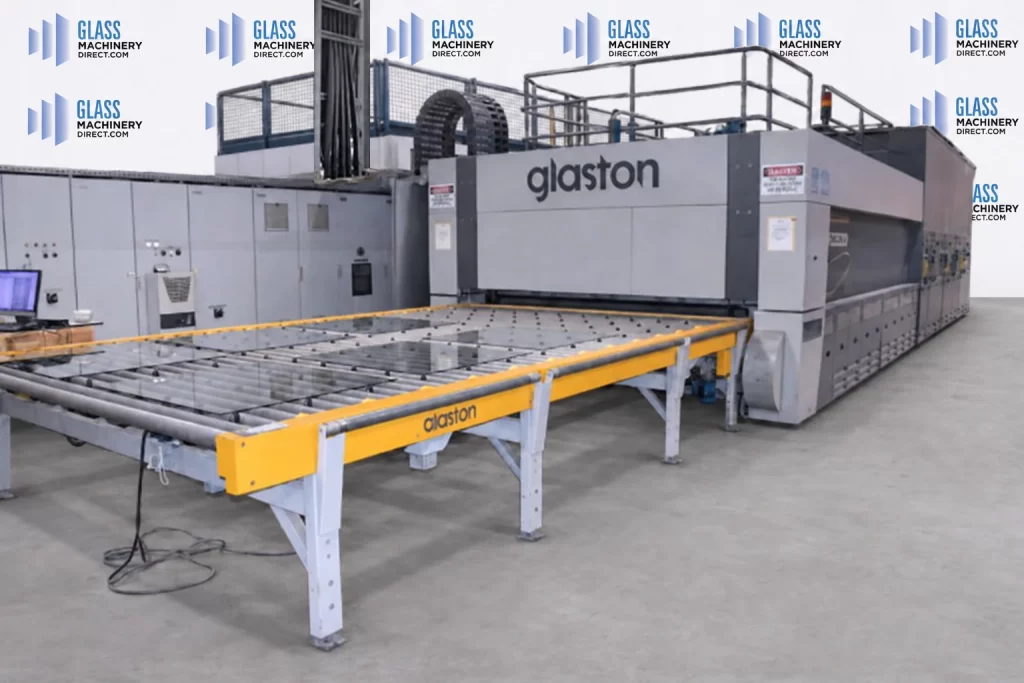
Pre-owned glass equipment
Pre-owned Glass Tempering Furnaces.
A used glass tempering furnace is a production-system purchase that should be evaluated against your glass range, quality requirements, and facility. The heating section, transport, cooling equipment, and controls work together. Review the installed configuration and operating history rather than relying only on the furnace model name or advertised bed size.

Find the right fit for your operation.
Compare the configuration with your glass, your available space and your production goals.
Equipment for your next move.
6 listings
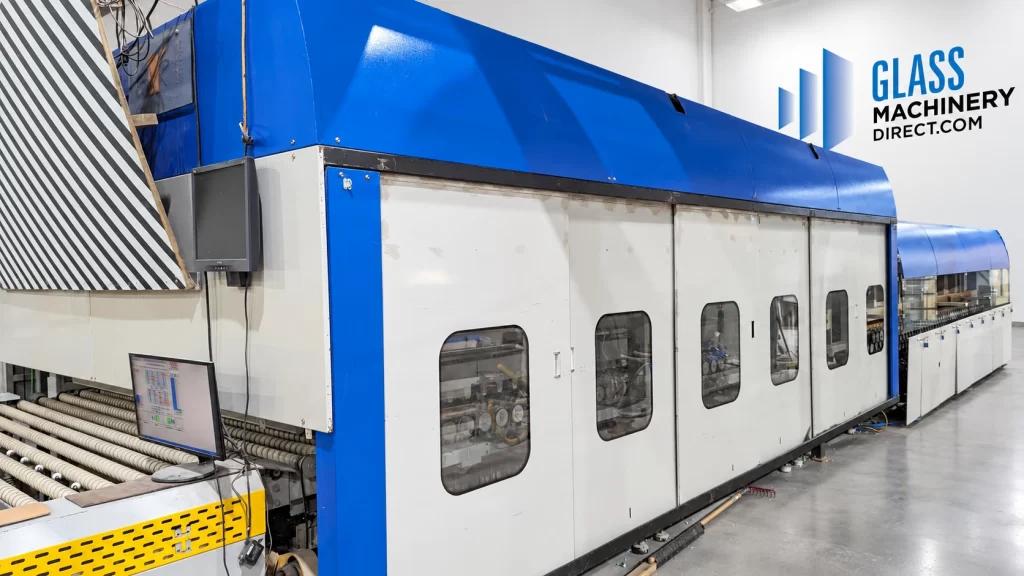
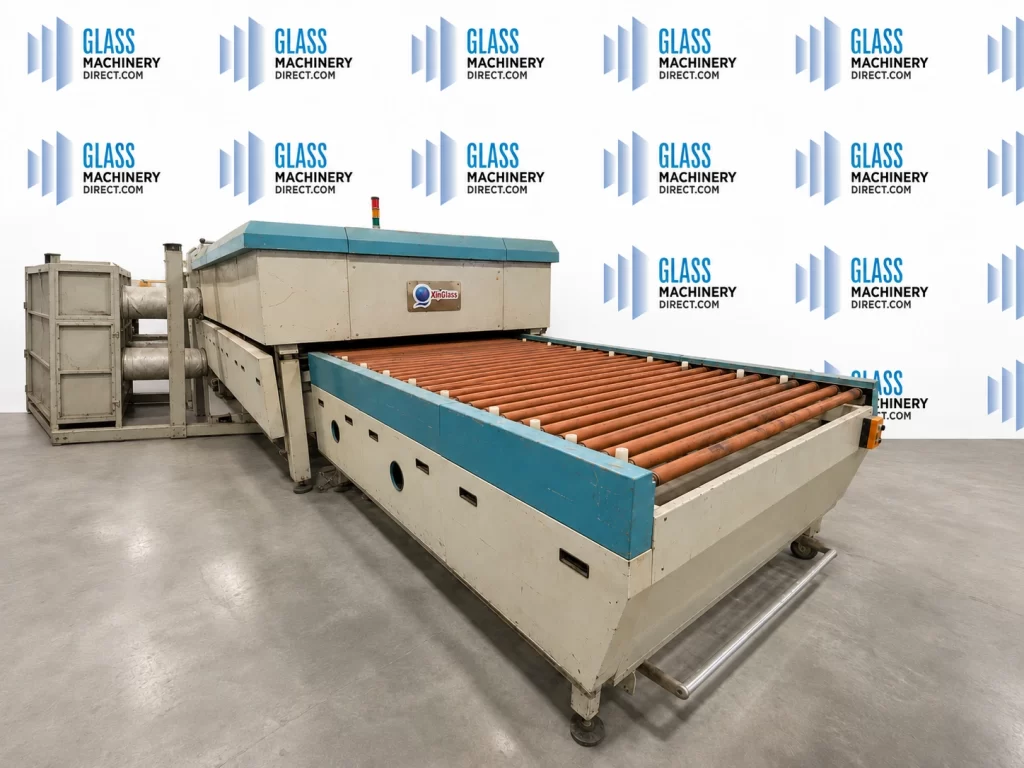
XinGlass
#A7278
2016
Still Running Production
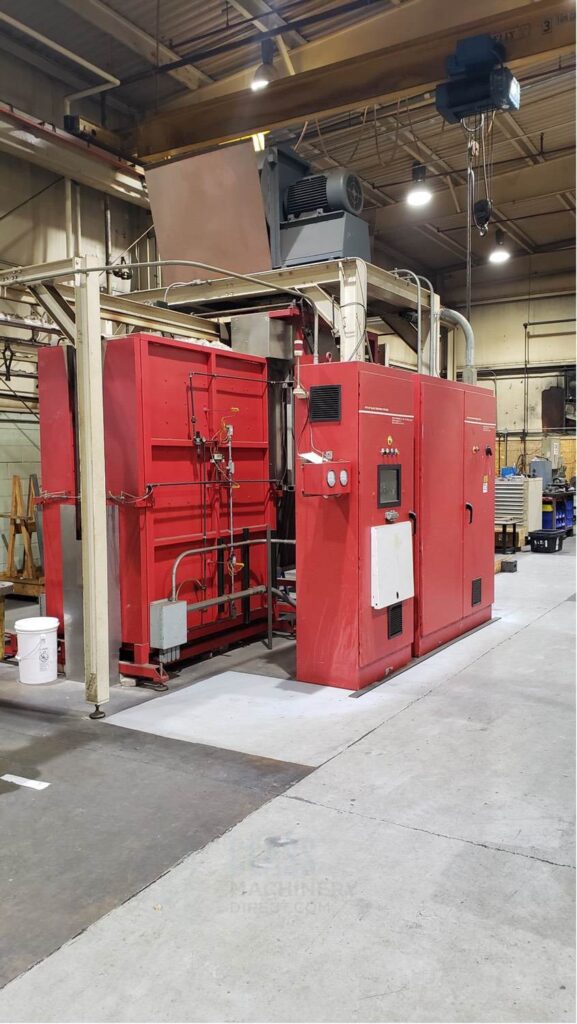
JFS
#A7260
2001
Great Running Condition
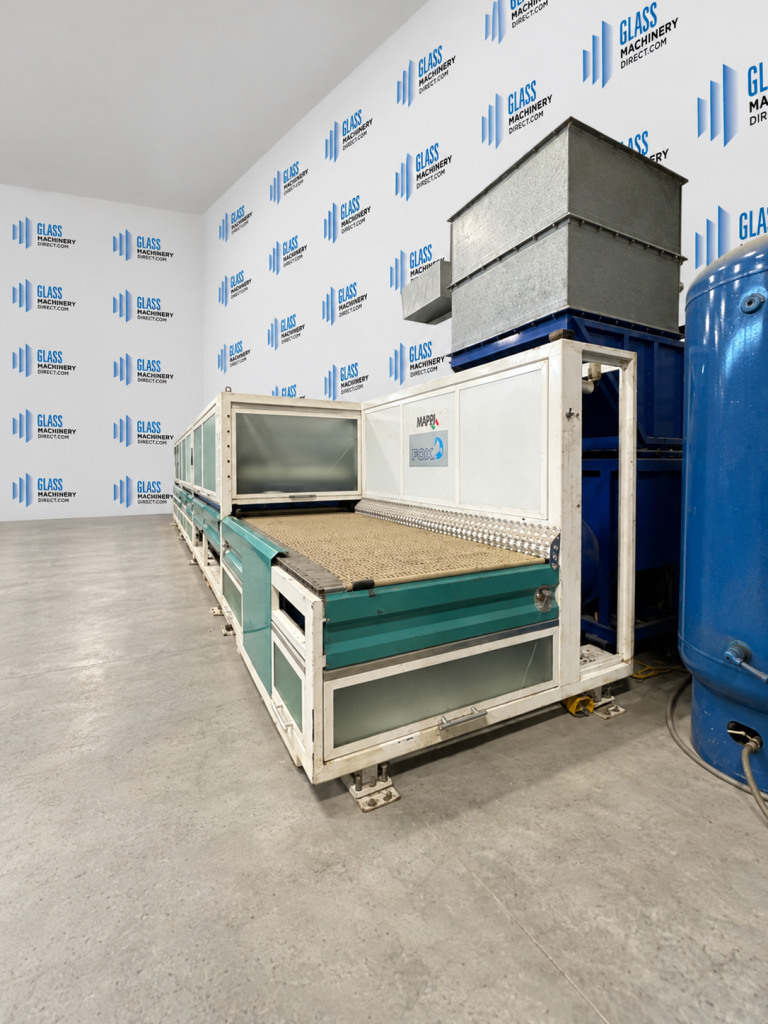
Mappi
#A7238
2006
Great

NorthGlass
#A7237
2009
Good
Understand the equipment
Tempering furnaces by type.
Glass Machinery Direct connects buyers and sellers of pre-owned glass machinery, including tempering equipment. Prepare a clear production brief before reviewing a furnace: the glass products, thicknesses, dimensions, coatings, and output you need. This gives the seller and relevant equipment specialists a practical basis for assessing suitability.
Flat-glass tempering systems
A flat tempering installation includes heating and controlled cooling stages with the associated glass transport and controls. Review the entire system offered for sale, including loading and unloading tables, quench equipment, blowers, and operating software. Identify any equipment shown in the original installation that will not be included in the purchase.
Convection-equipped configurations
Furnaces are available with different heating and convection arrangements. Their suitability depends on the glass products and production range being considered, including coatings. Ask about the equipment actually installed, any later upgrades, and demonstrated processing history. A current manufacturer brochure may describe options that an older machine does not have.
Specialized or additional capabilities
Heat strengthening, bent-glass processing, and other capabilities require the appropriate machine configuration and process controls. Treat these as specific features to verify. They should not be inferred from a general tempering description, and a standalone upgrade may require further changes elsewhere in the system.
Where this equipment fits.
Used tempering equipment may be relevant to architectural and interior glass processors with a defined heat-treatment program. Compare a furnace against the complete range you expect to make, including demanding coatings, dimensions, and changes between jobs. Product specifications and the chosen evaluation process should guide the purchase; no single equipment description establishes suitability for every finished-glass application.
Common questions
A clearer view of your next purchase.
Some configurations can, but the cooling controls and supported process range must be verified. Heat strengthening is a distinct controlled process, not simply a label applied to a tempering cycle. Ask for documentation and representative evidence for the glass range you intend to produce.
Roller wave is a form of surface distortion associated with glass moving on rollers during heat treatment. It can affect reflected appearance. Discuss the measurement and acceptance criteria relevant to your products, and assess representative finished glass rather than relying only on a visual tour of the machine.
No. The installed heating arrangement, controls, condition, and documented capabilities need to be checked against the exact glass product. Provide coating information and the intended thickness and size range. Confirm suitability and evaluation requirements with the appropriate equipment and glass specialists.
Explore related equipment.
Your next move
Good equipment starts with
a good conversation.
Buying, selling, or planning your next investment? Tell us what you need.