PRE-OWNED EQUIPMENT. NEW POSSIBILITIES.

Pre-owned glass equipment

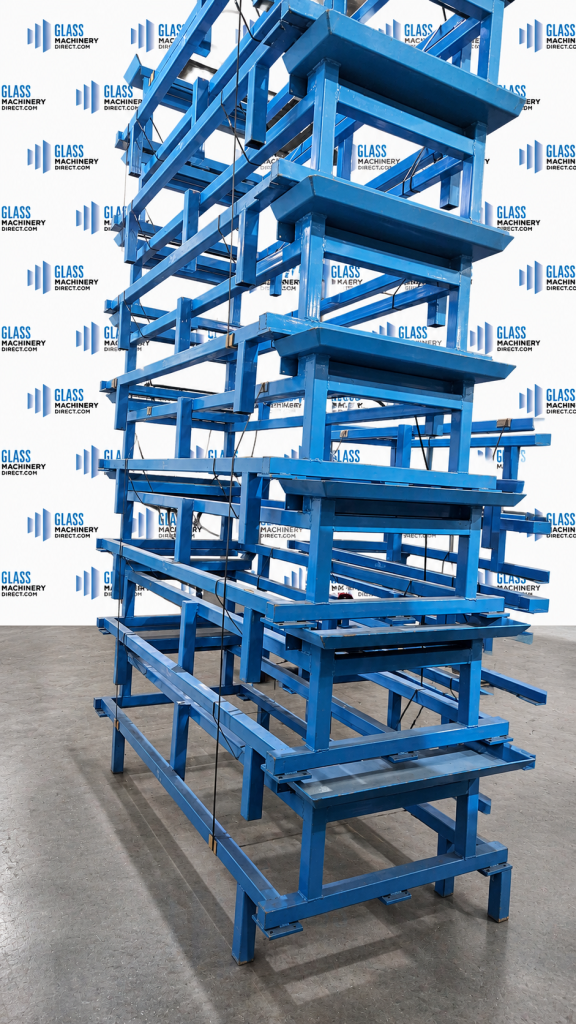
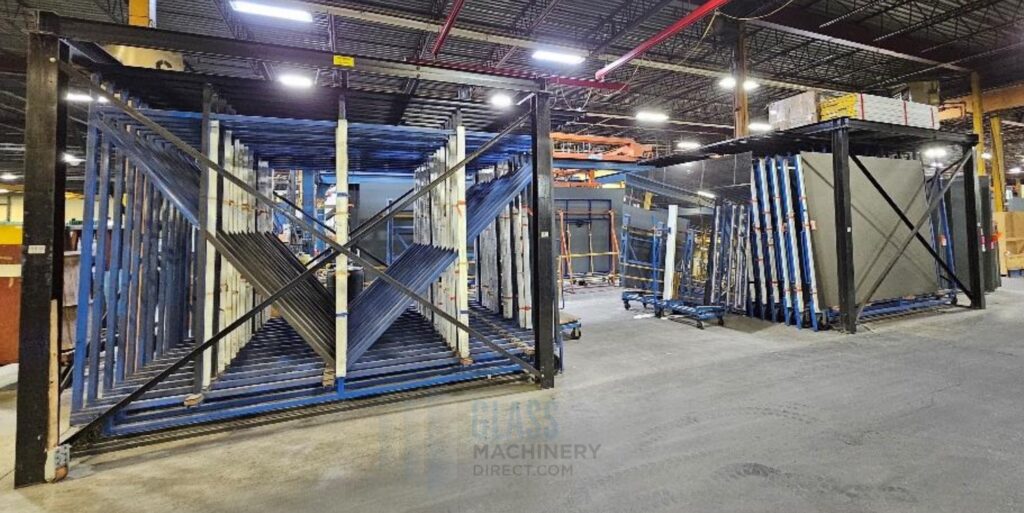
Pre-owned Glass Storage Equipment.

Glass storage equipment organizes stock sheets, cut pieces and work waiting for its next production stage. A-frame racks, harp racks and drawer or track systems offer different ways to group and access glass. The useful choice depends on what you store, how often you retrieve it and the handling equipment around it.

Find the right fit for your operation.

Compare the configuration with your glass, your available space and your production goals.

Equipment for your next move.

5 listings

Saved
Understand the equipment

Glass storage by type.

When comparing used racks, consider the complete storage arrangement rather than its footprint alone. Allow for loading and retrieval, inspection, separation of glass types and movement through the shop. Glass Machinery Direct can discuss your requirements or help define a Machinery Finder request for a specific storage layout.

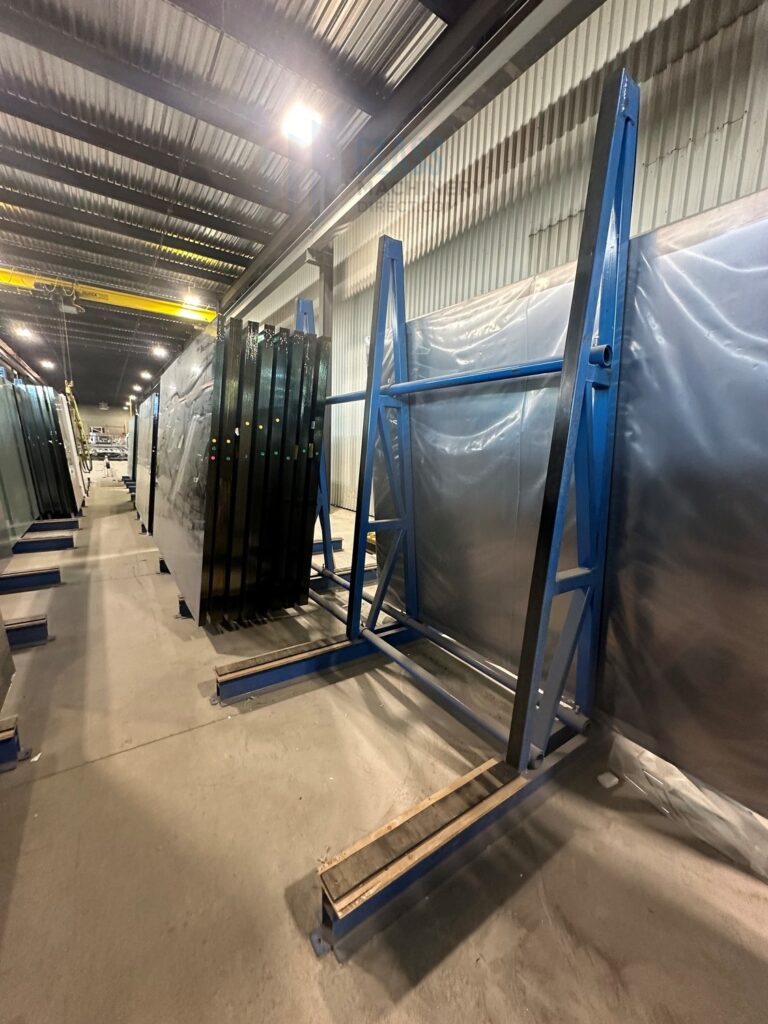
A-frame racks and mobile carts

A-frame equipment supports glass on inclined faces with ledges and protective contact surfaces. Some versions include casters for movement within a facility. Compare the supported glass dimensions, usable ledges and documented loading arrangement. A mobile rack also needs appropriate wheels, brakes and a suitable route between the places where it will be used.

Harp racks for separated pieces

Harp racks use guides or slots to keep individual pieces organized. They can be useful when the work mix calls for separating and identifying multiple cut pieces. Check the usable slot spacing, support height, base protection and glass thickness range. A high slot count is only useful when the actual pieces fit the arrangement.

Drawer and floor-track storage systems

Drawer systems provide access to stored glass through movable sections, while floor-track arrangements organize sheets using a defined base and supports. Compare retrieval space as well as storage space. Confirm that all rails, guides, stops, supports and installation components are included, especially when purchasing a system dismantled from another facility.

Where this equipment fits.

Glass storage systems can serve incoming sheet inventory, organized work between processing stages and preparation for dispatch. Harp-style separation may suit a varied mix of cut pieces, while other arrangements suit larger sheets or grouped stock. Define what each storage position is intended to hold and how the glass will be identified and retrieved before selecting the equipment.

Common questions

A clearer view of your next purchase.

Start with the sizes and variety of the glass and how individual pieces need to be accessed. A-frame and harp arrangements support and organize glass differently. Compare the actual ledges, guides, spacing and documented load limits against your stock and retrieval requirements rather than choosing by rack size alone.

Do not assume so. Adding casters changes the arrangement and introduces requirements for movement, stability and floor conditions. Ask the original manufacturer or a qualified specialist whether a proposed conversion is suitable and what documented design or component changes would be required.

Confirm the original layout, identification, assembly documentation and every required component. Check the drawers, base, tracks, stops and contact protection, and establish whether replacements remain available. Have the intended installation and floor conditions assessed before arranging relocation or changing the configuration.


A warehouse storage arrangement should not be assumed suitable for road transport. Vehicle racks have their own mounting, retaining and carrying requirements. Confirm the intended use with the equipment manufacturer, and review the glass truck category when the requirement is delivery or transport outside the facility.

Your next move

Good equipment starts with
a good conversation.

Buying, selling, or planning your next investment? Tell us what you need.