

Pre-owned glass equipment
Pre-owned Glass Washing Machines.
A glass washer should deliver clean, suitably dried glass for the process that follows it. When comparing used equipment, consider the glass sizes and coatings you handle, the condition of the washing and drying systems, and the water supply available at your facility. The right assessment goes beyond the machine’s working width.

Find the right fit for your operation.
Compare the configuration with your glass, your available space and your production goals.
Equipment for your next move.
3 listings
Neptun
#A7320
Great
Billco
#A7313
Great
Understand the equipment
Washing machines by type.
Glass Machinery Direct connects buyers and sellers of pre-owned glass washing equipment. You may be replacing a standalone machine, adding capacity before another process, or sourcing a washer for a production line. Define that role first so you can compare equipment with suitable transport, access, and control arrangements.
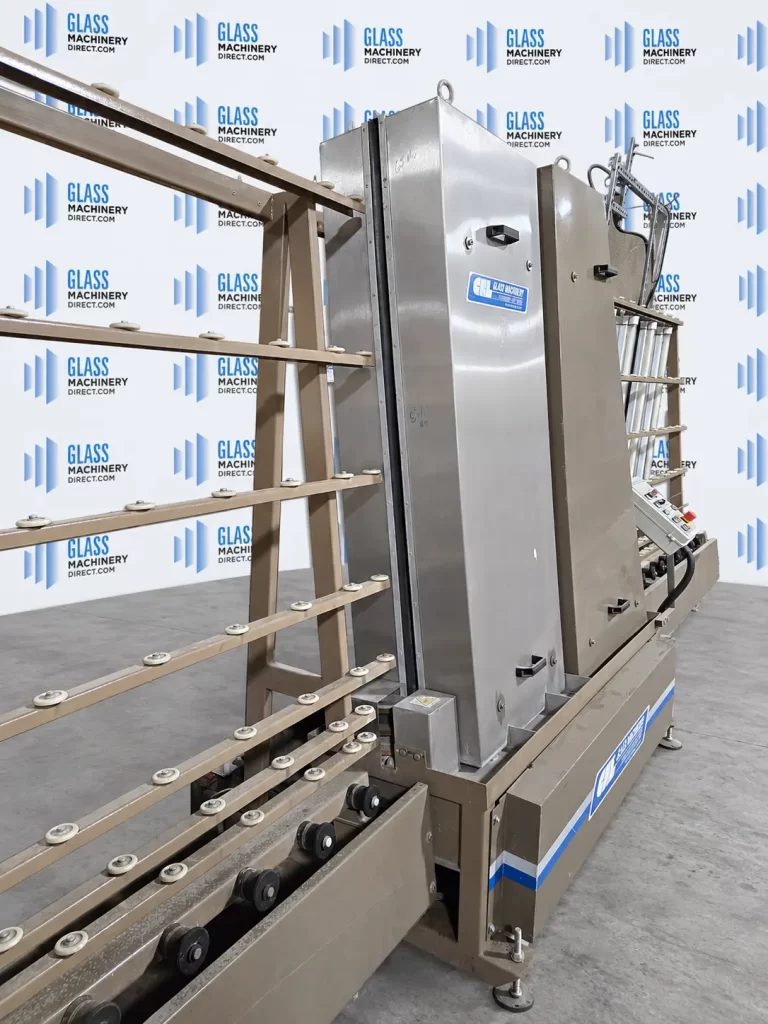
Vertical glass washers
Vertical washers carry glass upright through washing and drying sections and are commonly configured within insulating glass production lines. Review support and transport arrangements, usable glass height, minimum piece size, and weight limits. When replacing a line component, check how glass enters and leaves the washer and how its controls coordinate with adjacent equipment.
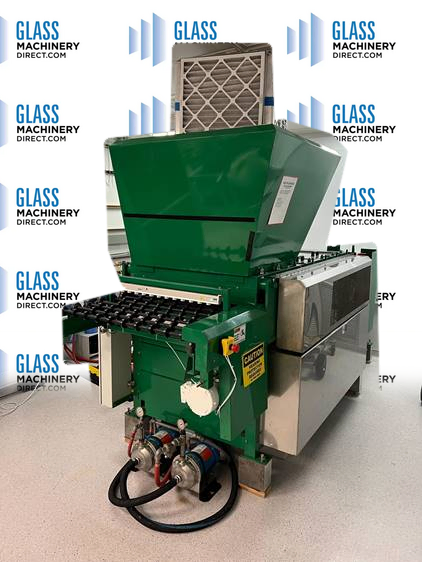
Horizontal glass washers
A horizontal washer supports glass on a transport bed as it passes through the process. This arrangement may suit a shop’s existing loading and downstream equipment. Evaluate working width alongside glass thickness, piece size, handling access, and drying performance. Confirm the suitability of the actual machine for the surfaces and coatings you plan to wash.
Washers within combined lines
Some installations combine washing with seaming, inspection, assembly, or other stages. A line offered for sale may include more than the washer itself, while a removed washer may need additional conveyors or controls. Request a clear equipment list and layout showing the full process and every component included in the purchase.
Where this equipment fits.
Used glass washers can support insulating glass manufacture, laminating preparation, and other fabrication stages that require clean glass. Match the evaluation to the next operation in your workflow and the glass surfaces being processed. Consider the complete route from loading to unloading, including inspection and staging, so the washer supports your production sequence rather than becoming an isolated bottleneck.
Common questions
A clearer view of your next purchase.
No blanket assumption is appropriate. Suitability depends on the coating, brush arrangement, operating controls, and machine condition. Identify the exact glass product and confirm the required setup with the relevant documentation. Detection or automatic brush functions should be verified on the specific used machine.
Choose around the glass range, handling method, available layout, and process before and after washing. Compare the full working area, not just the equipment footprint. Neither orientation automatically establishes the cleaning result or the suitability of the machine for a particular coating.
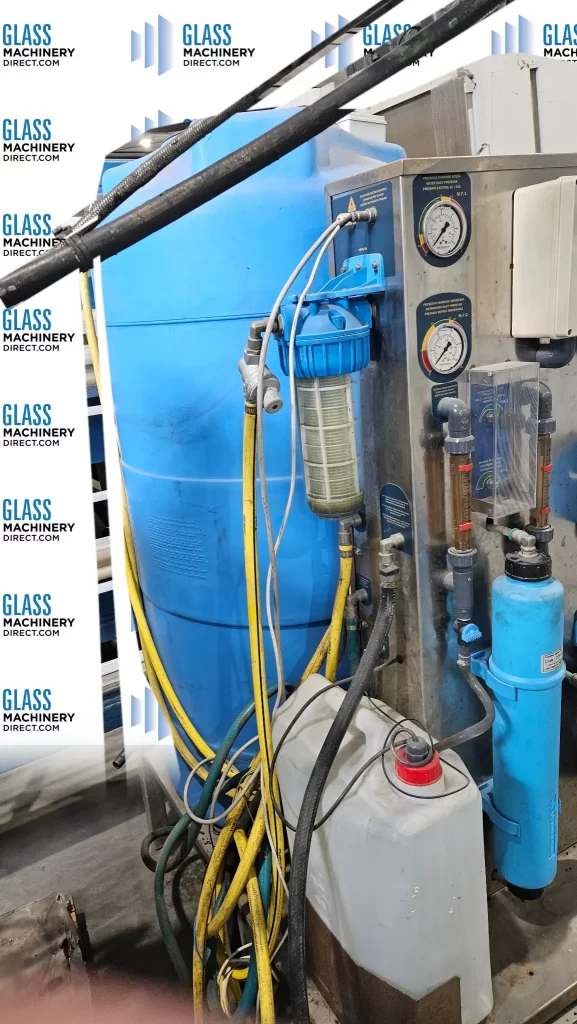
It depends on the equipment offered. Some installations include water preparation or circulation systems, while others rely on separate plant equipment. Ask for an itemized included-equipment list and confirm supply requirements. Plan any missing filtration, treatment, tanks, or connections before installation.
Explore related equipment.
Your next move
Good equipment starts with
a good conversation.
Buying, selling, or planning your next investment? Tell us what you need.