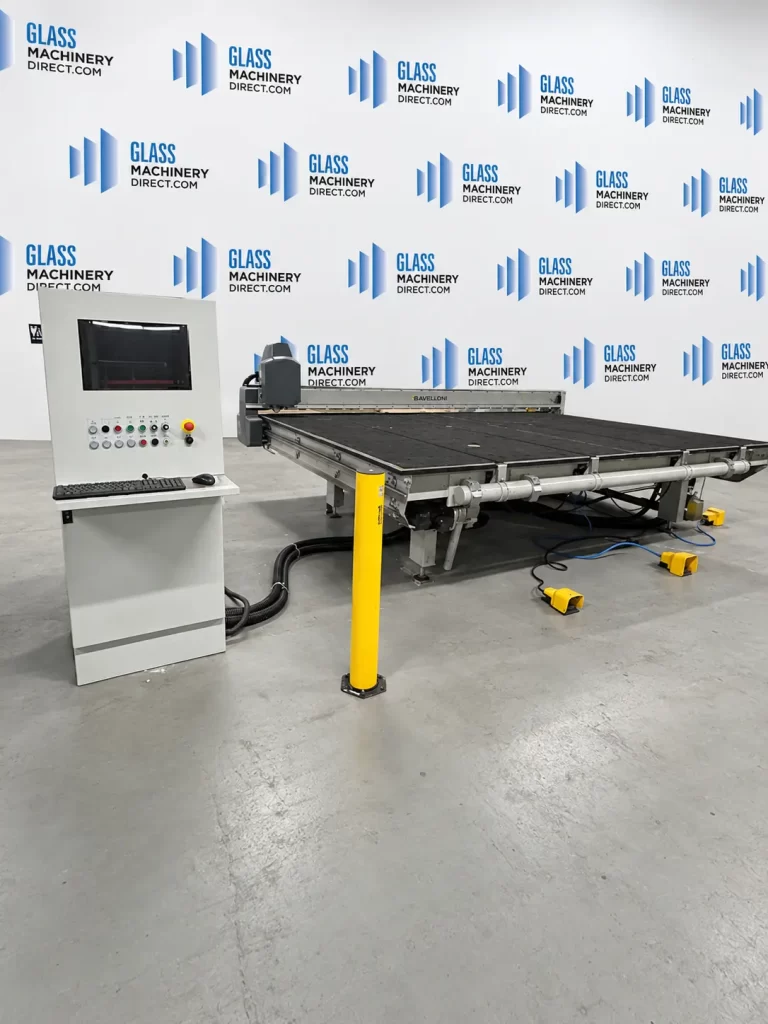
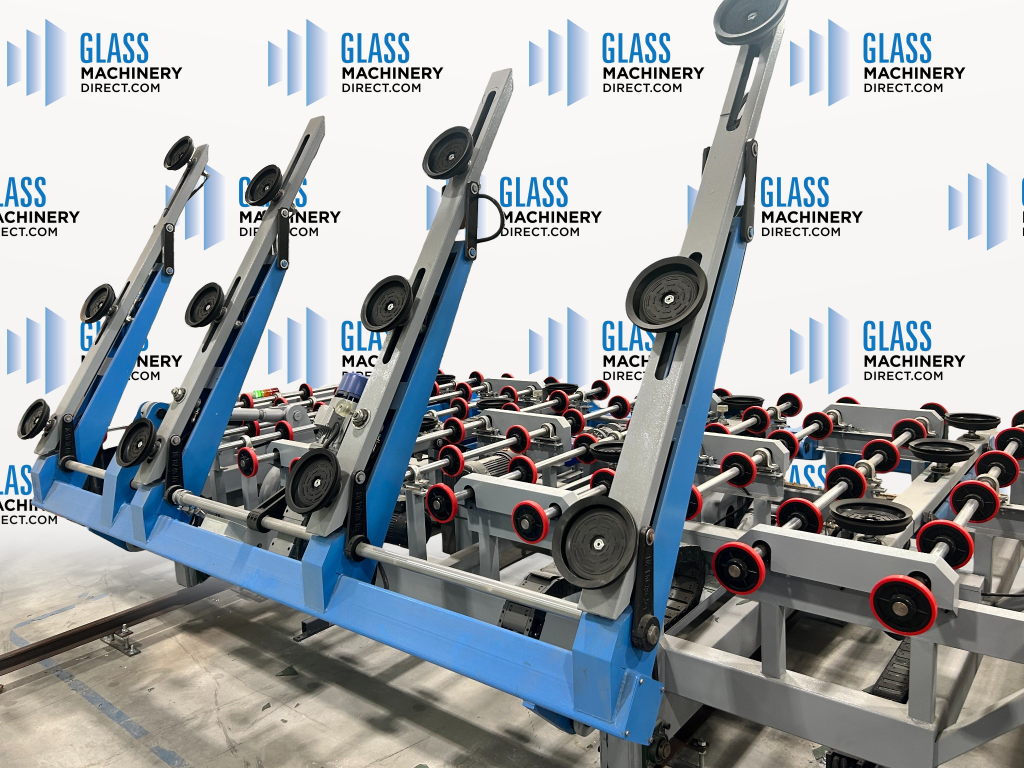
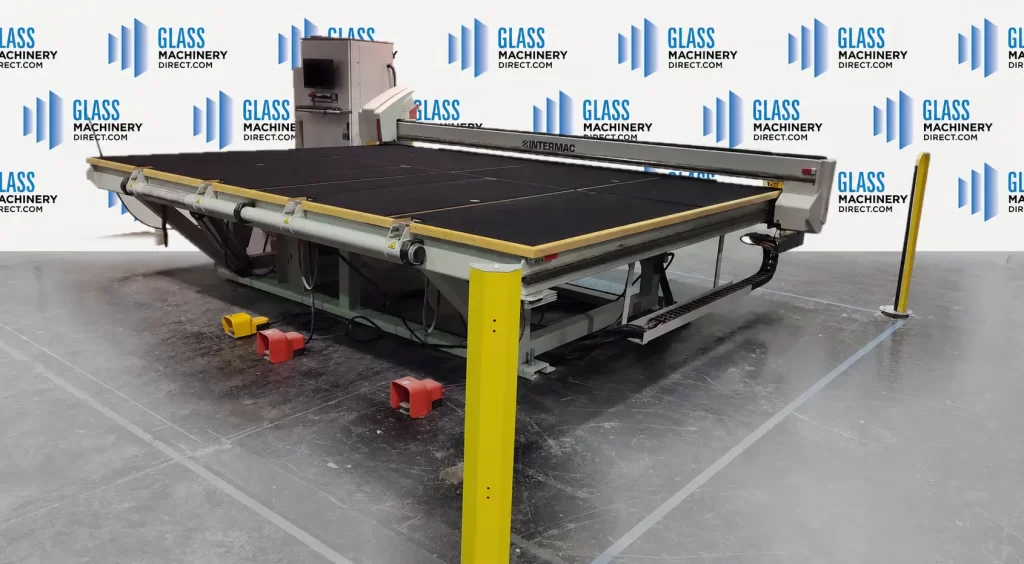
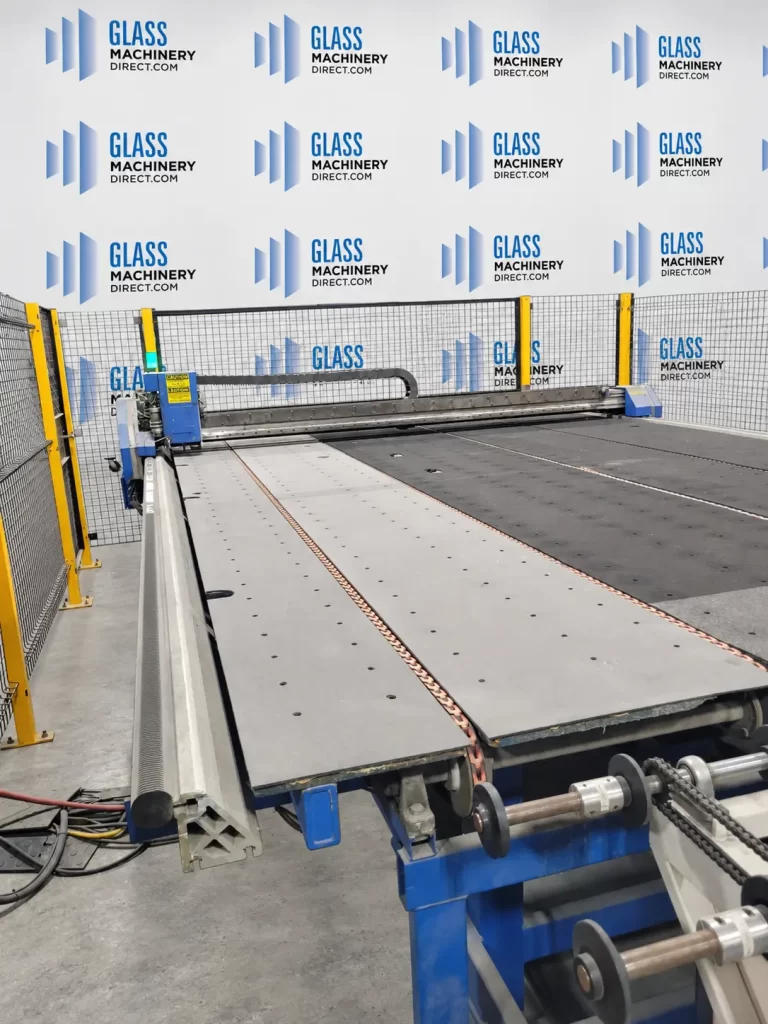
PRE-OWNED EQUIPMENT. NEW POSSIBILITIES.

/
/
Cutting machines
Pre-owned glass equipment

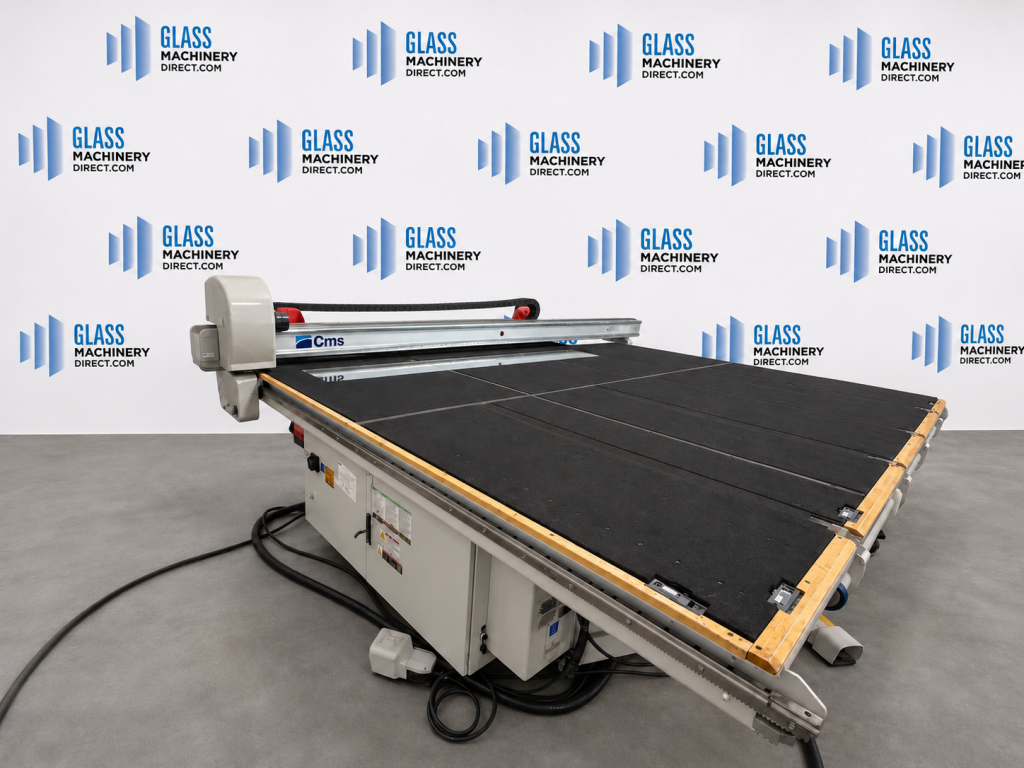
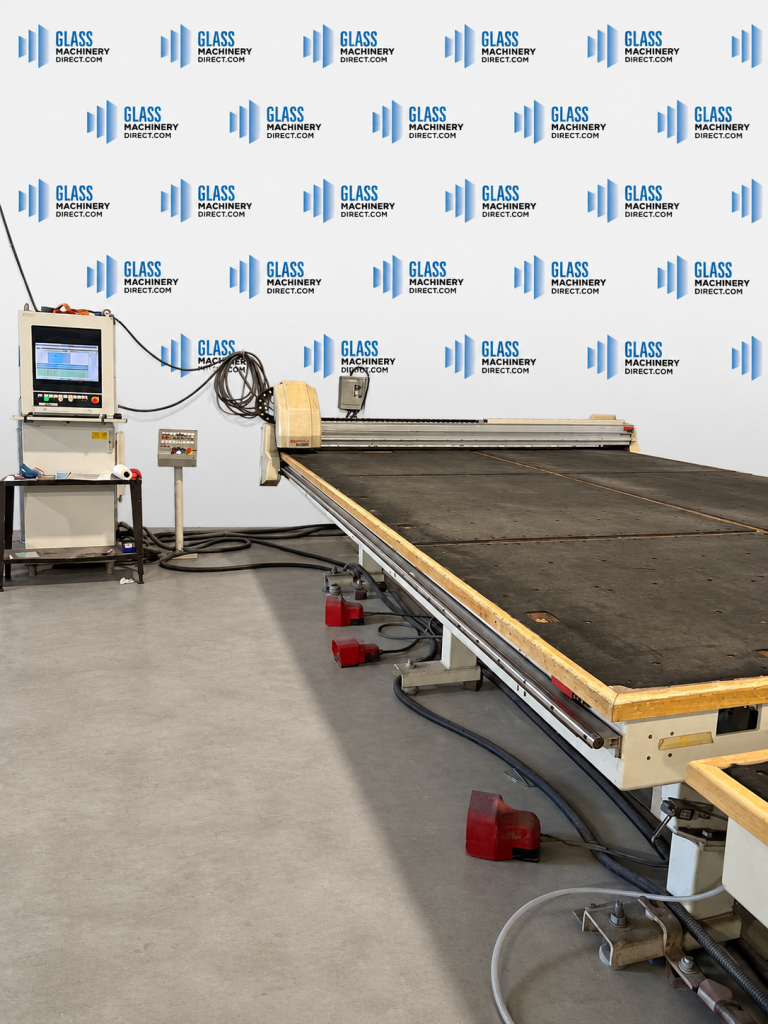
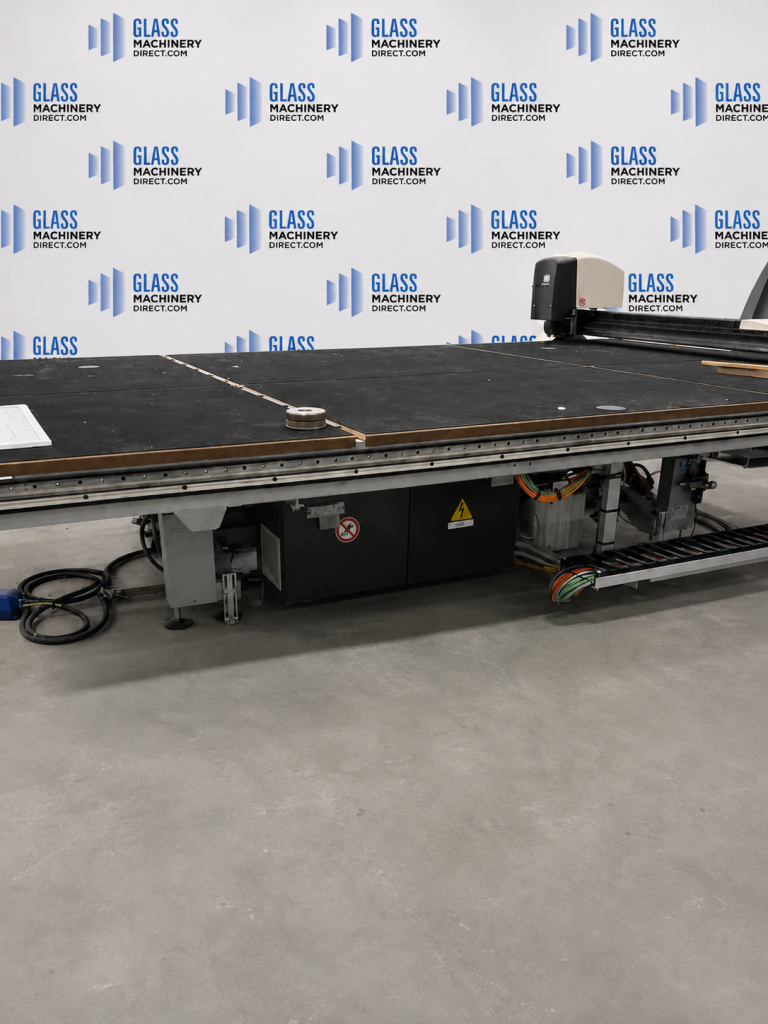
Pre-owned Glass Cutting Machines.

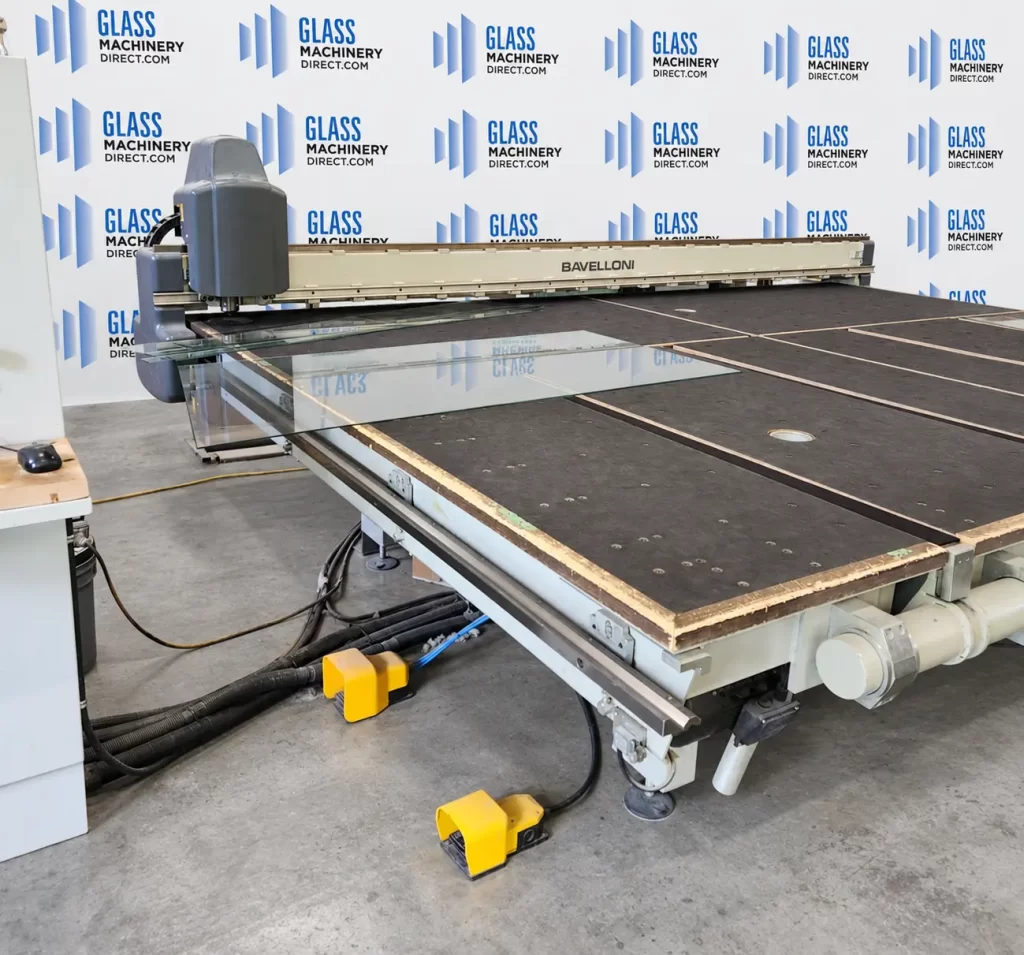
A glass cutting machine establishes the sizes and shapes that move through the rest of your shop. Many tables for monolithic annealed glass use a wheel to score the sheet, followed by a separate breakout operation. The quality of that sequence matters alongside the dimensions shown on a machine's specification sheet.

Find the right fit for your operation.

Compare the configuration with your glass, your available space and your production goals.

Equipment for your next move.

16 listings

Saved
Understand the equipment

Cutting machines by type.

When comparing used equipment, consider the cutting table, glass loading, breakout method and software together. A machine that suits your largest sheet may still be awkward for your everyday orders. Start with your material mix, typical part shapes and the way finished blanks will move to edging, drilling or another process.

Air float and breakout tables

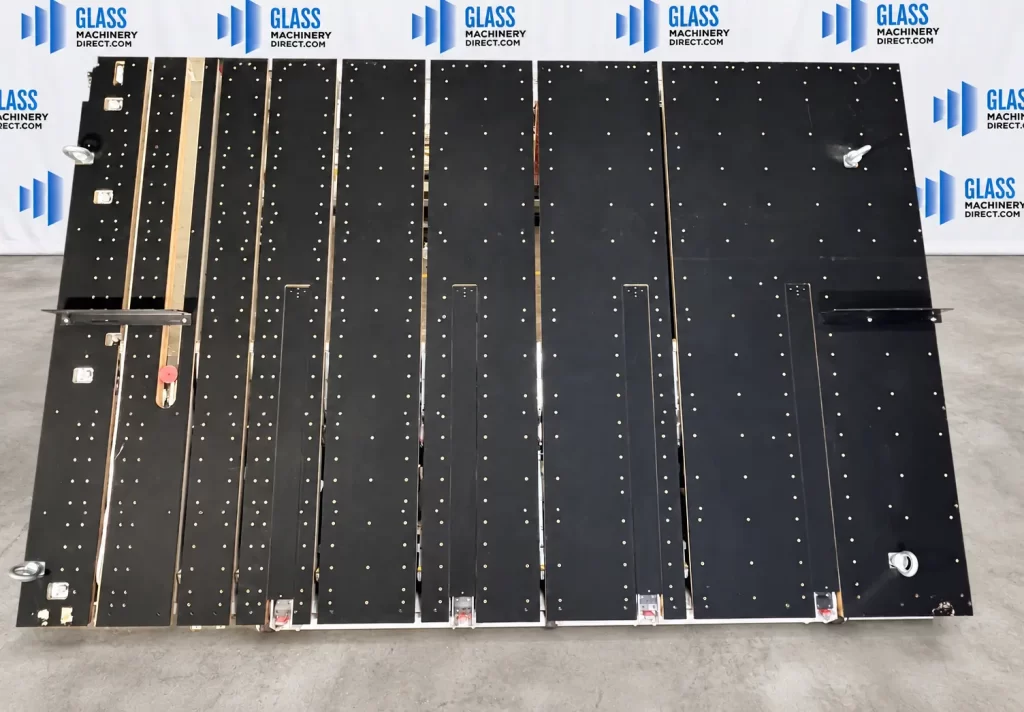
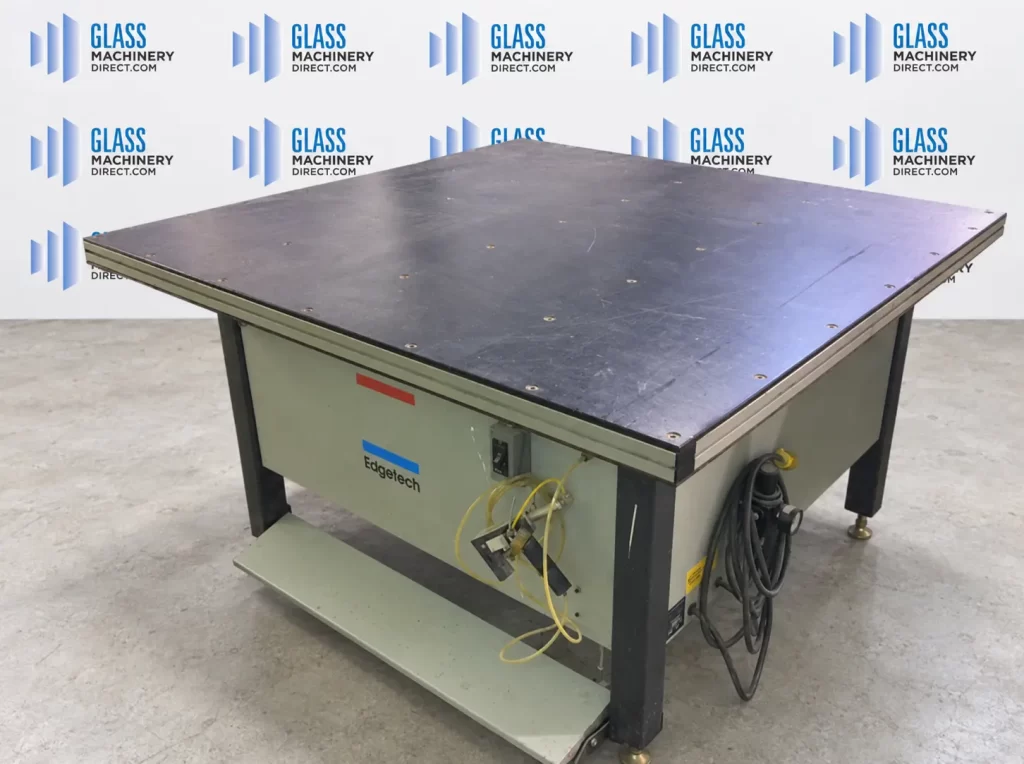
Air flotation helps operators move glass across a supported surface. Some tables also provide breakout bars, tilting or transfer functions. An air float table is not necessarily an automatic cutter: confirm whether the package includes a scoring head, controls and cutting software, or serves only as a handling and breakout station.

Automatic scoring tables

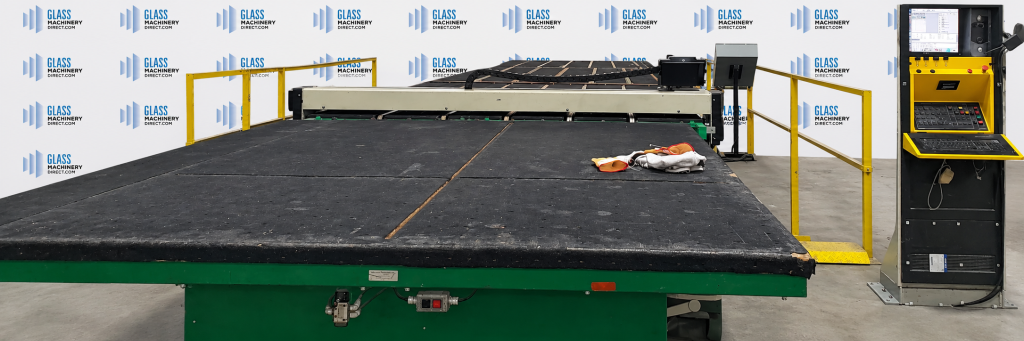
A programmed cutting head follows the required layout on the sheet. Straight cuts, shaped parts and other functions depend on the machine and its options. Automatic scoring does not establish how the glass will be separated afterward. Review the breakout arrangement and operator tasks as part of the same job.

Integrated cutting lines

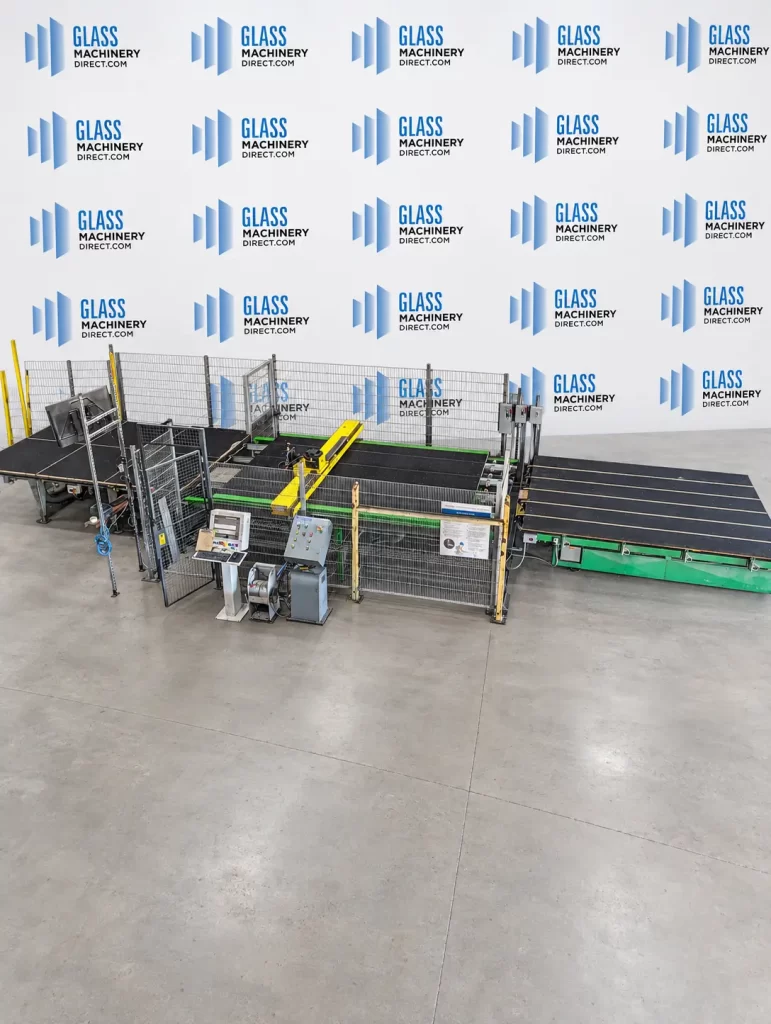
A line connects loading, cutting, transfer and breakout equipment. Its usefulness depends on the complete material flow, including where cut pieces and remnants go. For a used line, identify every included module and control connection. Check whether the loading equipment, breakout station, sorting functions and software shown in older brochures are actually included.

Where this equipment fits.

Glass cutting equipment prepares blanks for window and insulating glass production, mirrors, furniture, interior glazing and further fabrication. The appropriate setup depends on whether your work is mainly repeated rectangles, mixed customer sizes or shaped pieces. Compare the complete handling and breakout cycle with your order mix, rather than judging the machine only by cutting-head movement.

Common questions

A clearer view of your next purchase.

Air flotation assists movement of the glass over the table. It is a handling feature, not a cutting method. Check the rest of the specification to establish whether the table also scores glass, breaks it out, tilts for loading or transfers sheets to another machine.


Do not assume so. Laminated glass involves multiple glass plies and an interlayer, which require a suitable cutting and separation process. Manufacturers offer dedicated laminated equipment and combined systems. Confirm the exact glass construction supported by the machine, including any required additional modules.

Not necessarily. Scoring and breakout are distinct operations. A system may use an automatic cutting head with manual breakout, or combine it with automated breaking equipment. Shaped pieces may require a different breakout procedure from rectangular parts, so ask to see your intended workflow.

Conventional glass cutting tables should not be used to resize already tempered glass. Final dimensions, holes and edge processing need to be planned before tempering. Follow the glass manufacturer's processing instructions and establish the condition of the material before evaluating any cutting operation.

Your next move

Good equipment starts with
a good conversation.

Buying, selling, or planning your next investment? Tell us what you need.