Pre-owned Glass Printing & Painting Machines.
Glass printing and painting equipment creates graphics, patterns or coated surfaces for architectural, decorative and manufactured glass products. Digital printing, screen printing and coating machinery approach that work differently. A useful shortlist begins with the required finished appearance, glass format, coating chemistry and production sequence.
Find the right fit for your operation.
Compare the configuration with your glass, your available space and your production goals.
Equipment for your next move.
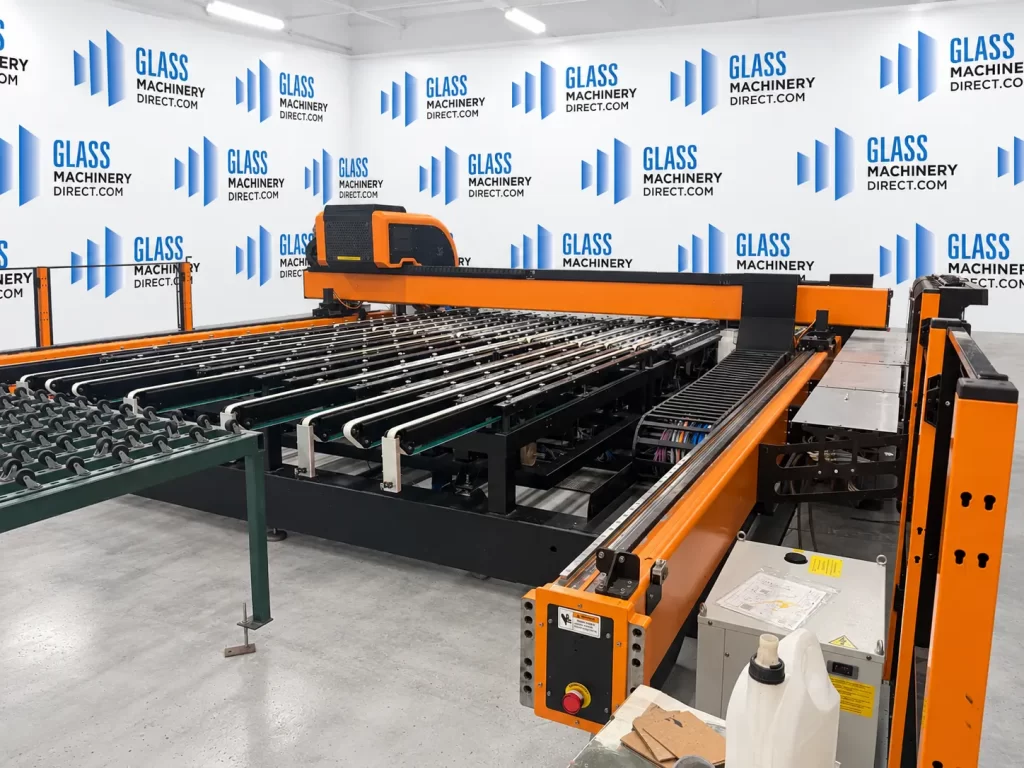
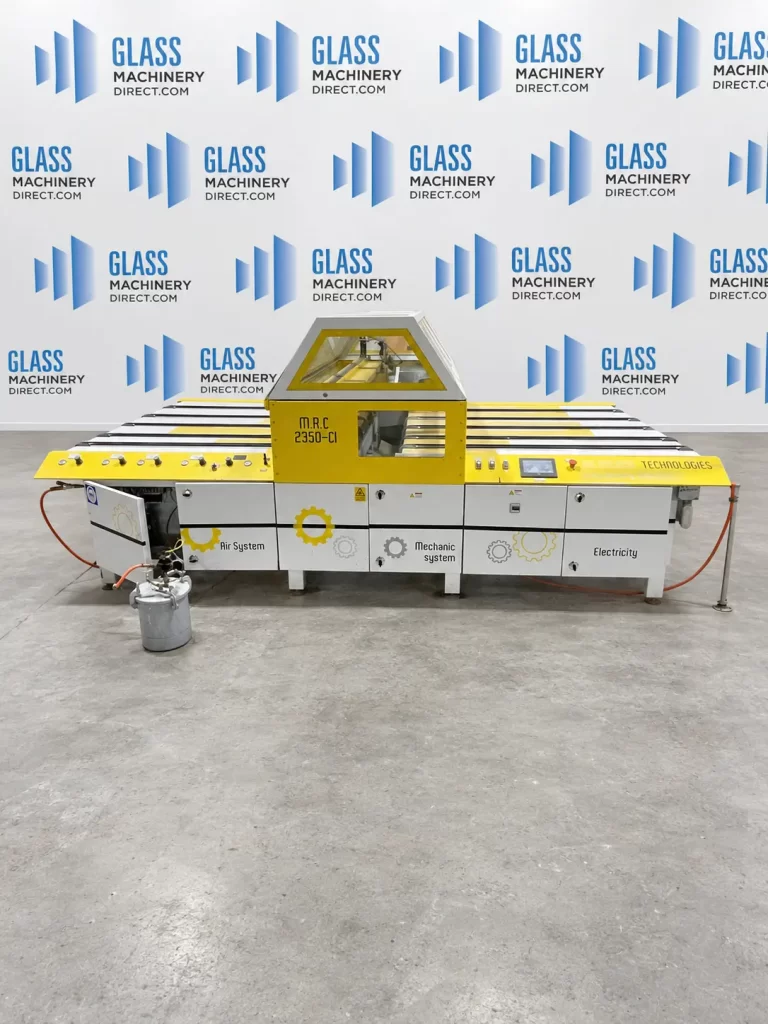
4 listings
Printing & painting machines by type.
When considering used equipment, look beyond the machine's working width. The ink or paint system, software, drying or curing stages and handling equipment all affect whether it fits your operation. Use the category guide below to prepare a focused inquiry for Glass Machinery Direct.
Digital glass printers
Digital printers transfer artwork to glass through a compatible print system and software workflow. Ceramic and UV printing systems have different ink and curing requirements. Compare the supported materials, printable area, image preparation and color workflow for the specific model. Ask for representative output rather than judging suitability from a resolution figure alone.
Glass screen printing equipment
Screen printing equipment applies designs using prepared screens, with configurations ranging from individual machines to integrated lines. Positioning and registration become important when repeating a design across multiple panels or colors. Check the usable print format, screen requirements, controls and associated drying equipment, as well as the changeover work involved in your typical order mix.
Painting and coating machines
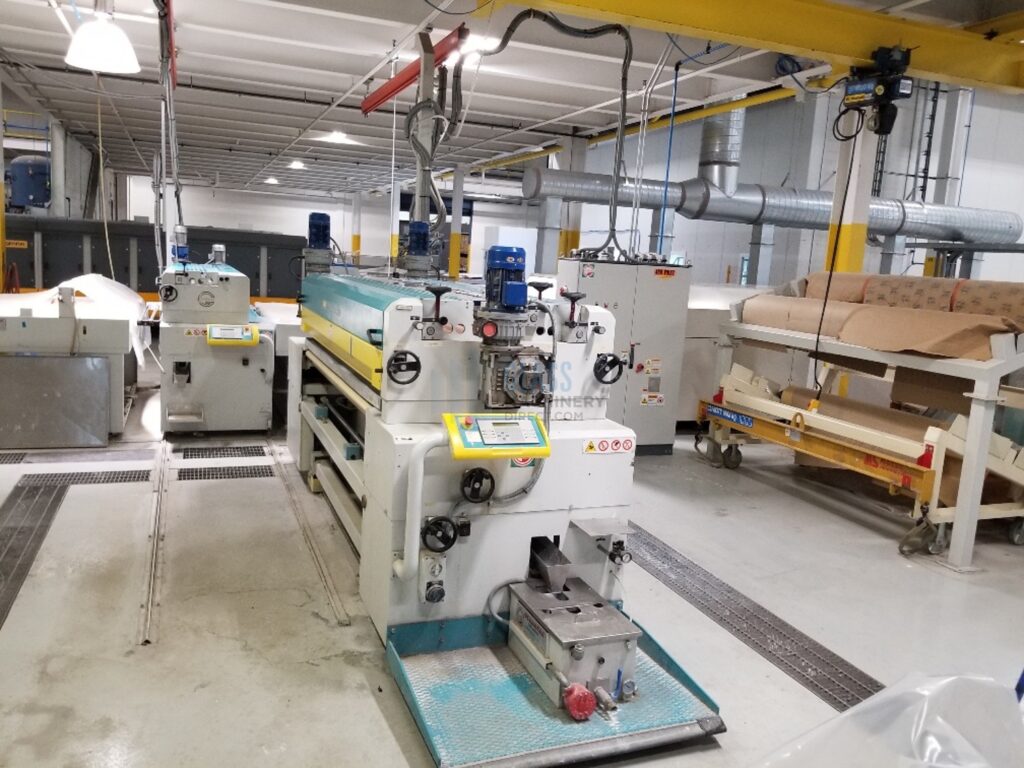
Painting machinery and roller coaters can apply surface finishes across glass panels. Compare the specified application method and supported coating system with the coverage and appearance you need. Confirm what the offer includes: the application machine, conveying, drying, cooling and other connected stages may be separate items rather than one complete line.
Where this equipment fits.
Typical applications include decorative interior panels, architectural patterns, appliance glass and other printed or coated products. Some ceramic printing workflows incorporate a subsequent heat treatment, while UV systems use a different curing process. The appropriate route depends on the selected chemistry and end use. Establish those requirements before comparing machinery, especially when adding a process to an existing line.
A clearer view of your next purchase.
They overlap in their ability to change a glass surface, but the equipment and intended result differ. Digital printing follows artwork, screen printing uses prepared screens, and painting or coating equipment applies a specified finish. Start with the product you want to make, then compare the suitable processes.
Ceramic ink systems can require tempering or annealing to fuse the ceramic material to the glass. The exact process must match the selected ink, glass and equipment. Confirm the full workflow with the suppliers rather than assuming a printer alone completes the finished product.
They use different ink and curing systems, so interchangeability should not be assumed. Discuss adhesion, appearance, later processing and the finished product's intended environment with the relevant suppliers. Evaluate representative samples and application requirements before choosing either approach for a particular job.
Explore related equipment.
Good equipment starts with
a good conversation.
Buying, selling, or planning your next investment? Tell us what you need.